Environmentally Friendly Coastal and Ecosystem Restoration Ropes All
HOTLINE cocolimvn@gmail.com
+84 (0)389345812 LINE/WhatsApp (Ms. Serena)
Coir rope is an essential natural coconut fiber rope used in various environmental projects such as coastal erosion control, ecosystem restoration, marine aquaculture, and landscaping.
In recent years, due to the strengthening of ESG initiatives and the spread of carbon-neutral construction, it has seen rapid growth in demand as a representative eco-friendly material to replace plastic ropes.
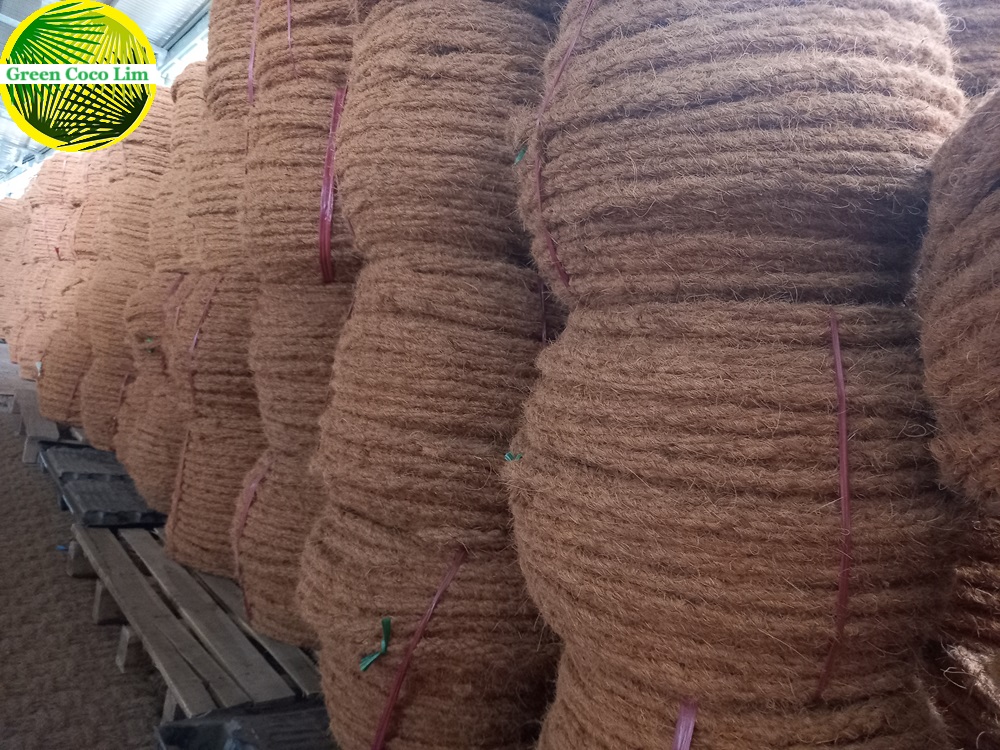
This document provides a detailed explanation of the basic knowledge of coir ropes, how to select specifications according to their application, a comparison with plastic ropes, and information on the supply of Green Cocolim.
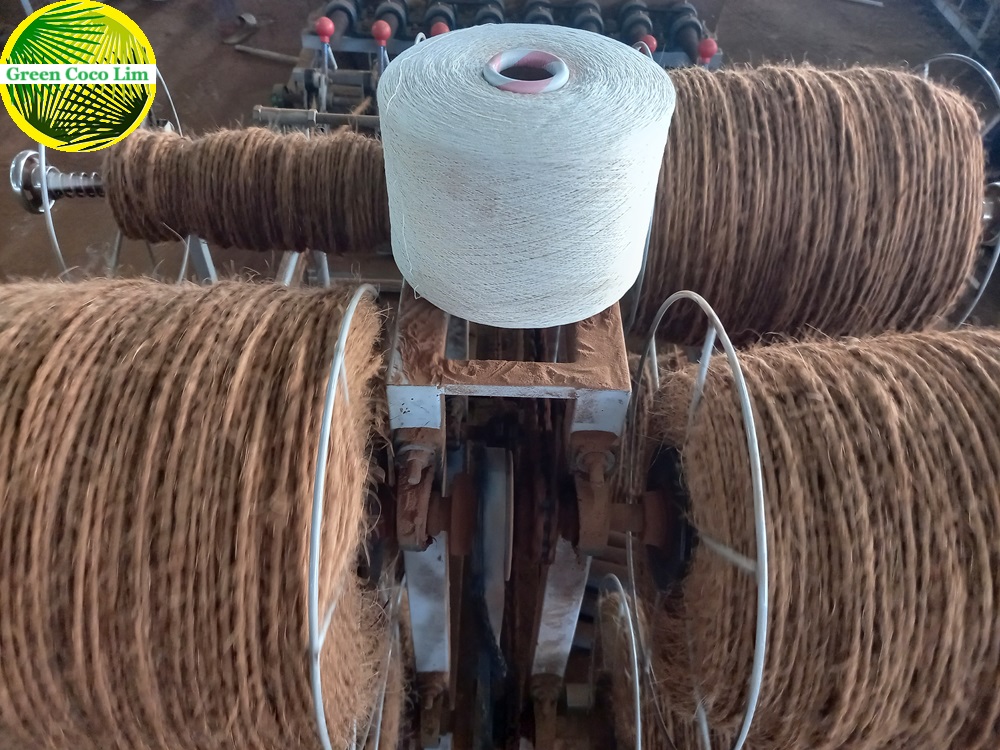
■ What is Coir Rope?
Yashirope is a 100% natural rope made by twisting natural coir fiber extracted from coconut shells. The main features are as follows.
- Outstanding Durability & Strength
- High Salt Resistance: Ideal for coastal and seawater environments
- After use, it biodegrades → No microplastics generated
- Natural materials contribute to CO₂ emission reduction
→ Highly valued as ESG-compliant materials
In other words, the most ideal environmentally friendly alternative material for plastic rope.
Here is the English translation:
Actual Use Cases of Coconut (Coir) Rope
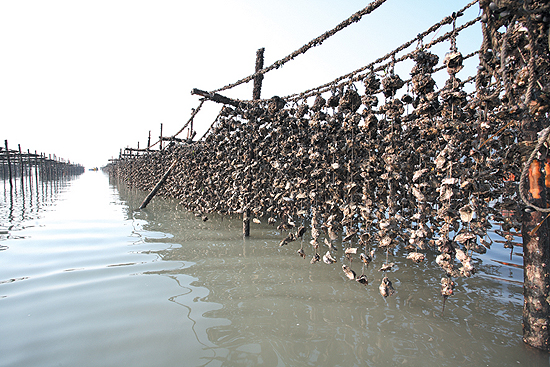
1. Mooring Rope for Seaweed Aquaculture
- Used to secure farming facilities for wakame, kelp, hijiki, etc.
- Maintains strength even in seawater
- Ideal for keeping structures stable both horizontally and vertically
2. Substrate for Seaweed Attachment and Growth
- Coir’s naturally coarse surface provides excellent adhesion
- Creates a growth environment close to natural conditions
3. Binding and Securing Fishing Gear
- Used for nets, cages, buoys, aquaculture baskets, and more
- Resistant to deformation and corrosion even under seawater
4. Eco-Friendly Rope for Marine Operations
- Biodegradable after use
→ Greatly reduces the waste-rope problem - Increasingly adopted as an ESG-aligned marine material
Comparison: Plastic Rope vs. Coir Rope
| Category | Plastic Rope | Coir Rope |
|---|---|---|
| Maintenance | Frequent replacement required | Greatly reduces replacement cycle |
| Water Absorption | Medium | Very high |
| Salt-Resistance | Weak | Ideal for marine & coastal environments |
| Appearance | Artificial texture | Natural color and texture |
| Environmental Impact | Generates microplastics | Biodegradable & compostable |
Here is the English translation:
Application-Based: Coir Rope Specification Guide
| Diameter (Ø) | Application Field | Detailed Description |
|---|---|---|
| 2–4 mm | Landscaping / Urban Greening | Tree-protection wrapping, landscaping tying string, eco-friendly indoor/outdoor decorative material |
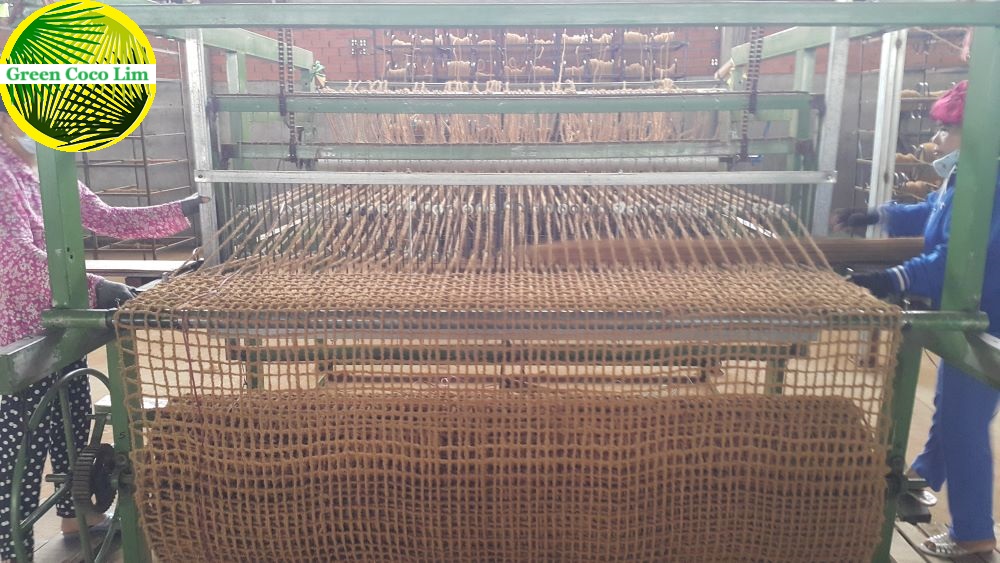
| 5–6 mm | Agricultural Support Rope | Support rope for vertical farming of hops, climbing crops, pepper, etc.; raw material for Coir Mesh (coir fiber net) |
| 12–14 mm | Marine Aquaculture Industry | Surface texture suitable for attachment and growth of oysters, mussels, and similar species |
| 16–20 mm | Coconut Fiber Product Manufacturing | Raw material for coir mats (Coir Mat) |
| 30–32 mm | Coastal Erosion Control / Slope Stabilization | Reinforcement for breakwaters, beach erosion control, embankment protection, fixing rope |
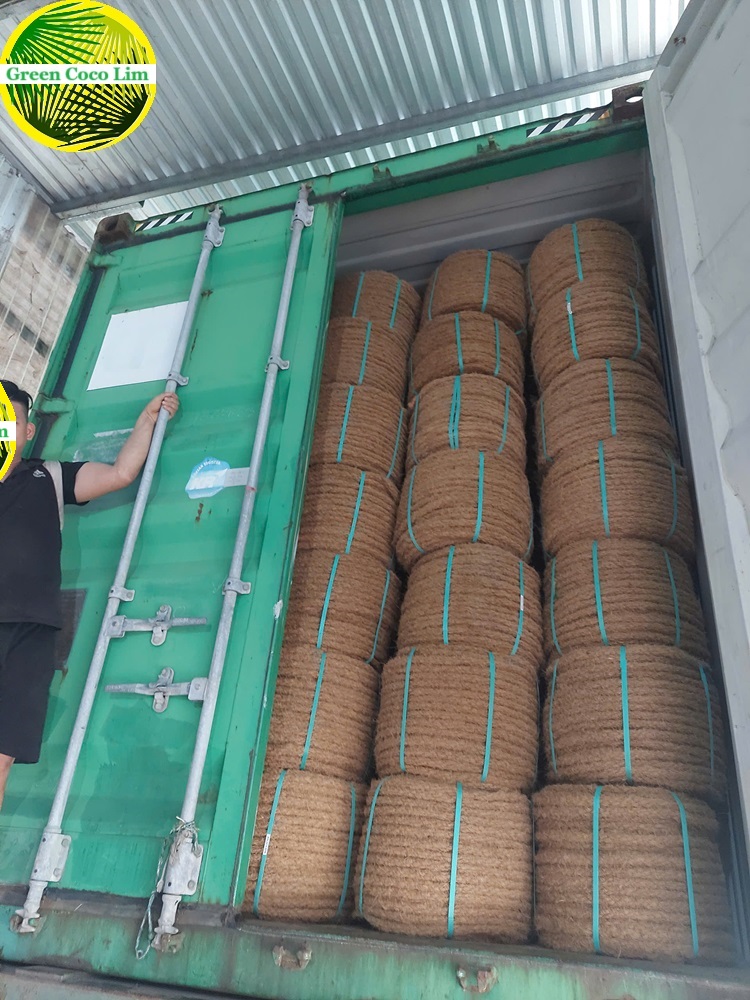
Coir Rope Supply Information from Green Cocolim
✔ Integrated production at our own factory in Vietnam
Ensures high quality, stable supply, and competitive pricing.
✔ Proven supply record in Japan, Korea, various Asian countries, and Europe (France, Italy)
- Marine construction
- Landscaping and greening projects
- Aquaculture industry
- Ecosystem restoration projects
✔ Customizable Options
Strength, length, number of twists, packaging specifications, etc.
Fully customizable to meet project-specific requirements.
✔ Available Specifications
From 2 mm to 40 mm

Here is the English translation:
Why Coir Rope — and Why Now?
- Strengthened environmental regulations worldwide
- Global shift toward plastic reduction
- Increasing number of ecosystem restoration projects
- Rapidly growing demand for eco-friendly materials in marine and landscaping sectors
Coir rope is not just an ordinary rope—
“It is a choice to protect nature.”
HOTLINE cocolimvn@gmail.com
 Green Coco Lim Coir Mat